A Practical Guide to Supporting Sustainable Well-Being in 2026
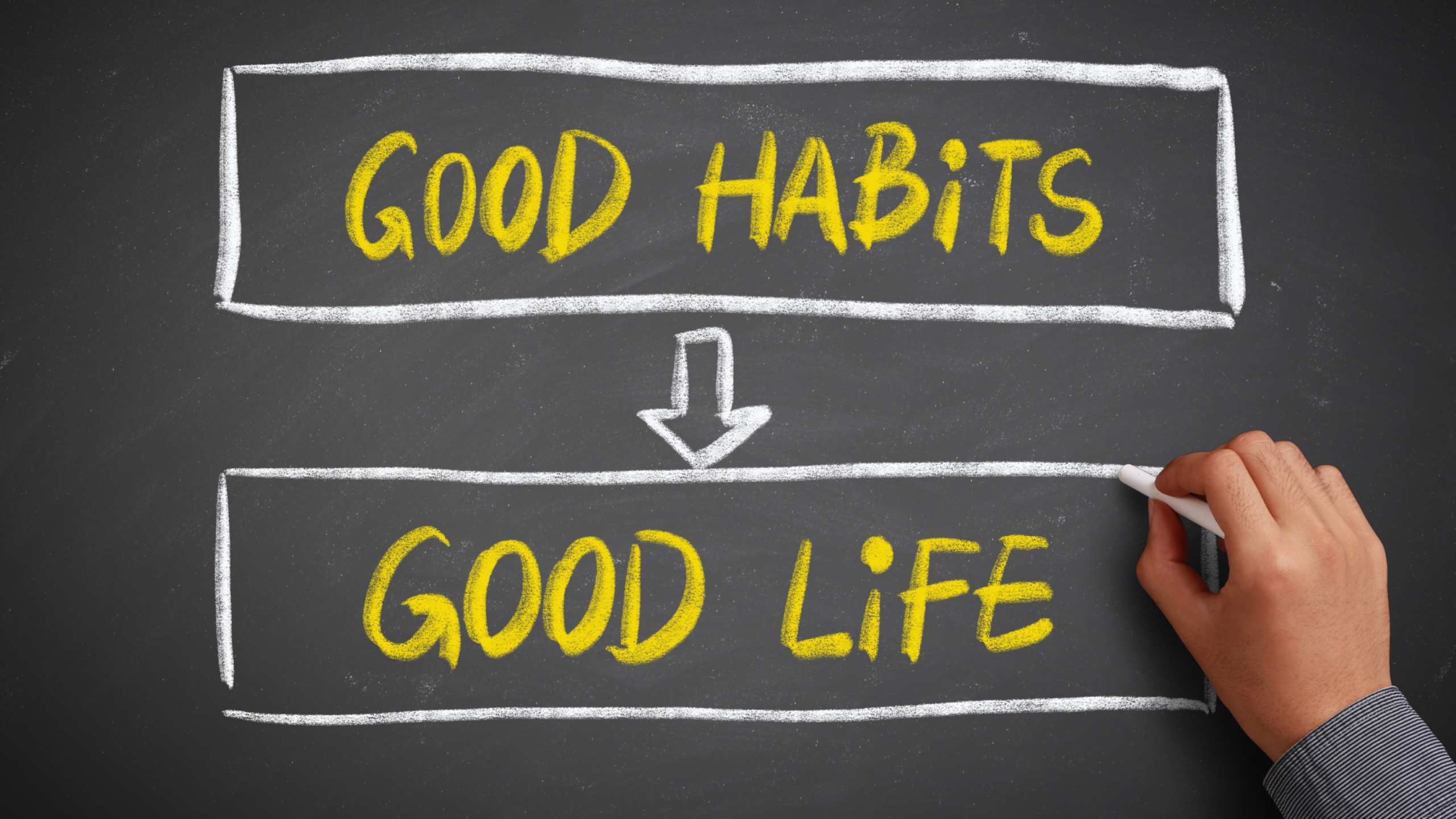
Creating meaningful, lasting change in any organization requires more than a list of wellness initiatives. It requires a workplace culture that makes healthy habits easy, accessible, and consistently supported. In 2026, as organizations evolve their approaches to employee well-being, the focus has shifted from individual willpower to environmental design, leadership modeling, and small, repeatable behaviors that add up to big results.
This guide walks you through the essential elements of building a habit-friendly workplace culture that boosts performance, reduces burnout, and helps employees feel supported—not pressured—on their wellness journey.
1. Start With the Science of Habit Formation
To build a truly habit-friendly workplace culture, organizations must understand how habits are formed:
Cue → Routine → Reward
Every sustainable habit follows this pattern.
Your work environment should provide:
- Cues that remind employees to take healthy actions
- Routines that fit naturally into the workday
- Rewards that reinforce desired behaviors
When a workplace honors this cycle, wellness becomes automatic—not an afterthought.
2. Create Frictionless Healthy Choices
People gravitate toward actions that require the least friction.
If healthy behaviors are easier than unhealthy ones, your culture will naturally shift.
Ways to reduce friction:
- Offer healthy snacks at eye level
- Create easy access to quiet zones or focus rooms
- Encourage walking meetings
- Add break reminders into digital tools
- Provide ergonomic equipment without red tape
Simple environmental tweaks can strengthen your workplace culture more than complex programs ever could.
3. Reduce Barriers to Behavior Change
Just as you remove friction for positive habits, you must increase friction for negative ones.
Examples:
- Shorten default meeting lengths
- Reduce unnecessary notifications
- Limit after-hours communication norms
- Provide clarity around roles and priorities
When employees aren’t fighting constant distractions or unrealistic expectations, they have the mental space to build healthier routines.
4. Build a Workplace Culture That Models Healthy Behavior
Culture is built on actions—especially the actions of leaders.
When leaders:
- take real breaks
- block focus time
- disconnect after hours
- use their PTO
- prioritize well-being in conversations
…employees feel empowered to do the same.
Leader behavior is one of the most influential drivers of a habit-friendly workplace culture.
5. Design Environments That Support Daily Wellness
Your physical and digital workspaces quietly shape employee behavior every day.
Environment design ideas:
- Natural light, plants, and calming spaces
- Standing desks or adjustable seating
- Well-designed break rooms
- Clearly marked walking routes
- Quiet rooms for deep focus
- Digital tools that encourage breaks, not overload
These elements create a workplace that supports movement, rest, and productivity—key components of habit formation.
6. Make Habits Social, Not Solo
Habits stick best when they’re reinforced by community.
Social accountability strengthens consistency and helps build a connected workplace culture.
Try:
- Team wellness rituals (stretch breaks, mindfulness moments, gratitude circles)
- Slack or Teams channels for motivation
- Group habit challenges focused on participation, not perfection
- Peer wellness partners
When wellness becomes a shared experience, it becomes embedded in the company identity.
7. Encourage Micro-Habits Over Massive Changes

Small habits lead to big results.
Micro-habits feel achievable, even during busy seasons, making them ideal for a sustainable workplace culture.
Examples of micro-habits:
- One-minute breathing reset before meetings
- Drinking water at the start of the day
- Standing up once every hour
- Two-minute desk stretch routine
- Closing the laptop at a set time each evening
Even tiny actions can significantly impact mood, stress, and energy.
8. Recognize and Celebrate Habit Progress
Recognition reinforces behavior.
Employees want to feel seen—not evaluated—for their efforts.
How to celebrate progress:
- Share stories of healthy habits in newsletters
- Spotlight teams who model great well-being practices
- Celebrate small wins publicly
- Provide rewards that support wellness (not punishments for participation lapses)
Positive reinforcement strengthens both habits and company morale.
9. Use Metrics to Understand What’s Working
A habit-friendly workplace culture evolves based on data—not assumptions.
Track:
- Break frequency
- Meeting load
- PTO utilization
- Employee feedback
- Psychological safety
- Workspace satisfaction
- After-hours communication trends
These metrics reveal whether your culture supports healthy habits or unintentionally works against them.
Final Thoughts: Culture Is Built in the Small Moments

A habit-friendly workplace culture isn’t built from grand gestures or one-time initiatives. It is shaped by everyday actions, environmental cues, and leadership behaviors that encourage consistency without pressure.
In 2026, the organizations that will thrive are those that make wellness easy, natural, and woven into the rhythm of the workday. By focusing on frictionless habits, supportive environments, and shared accountability, you’ll create a culture where employees can show up as their healthiest, most energized selves—every single day.
Contact us to build a workplace wellness program that fits seamlessly into how your teams work.