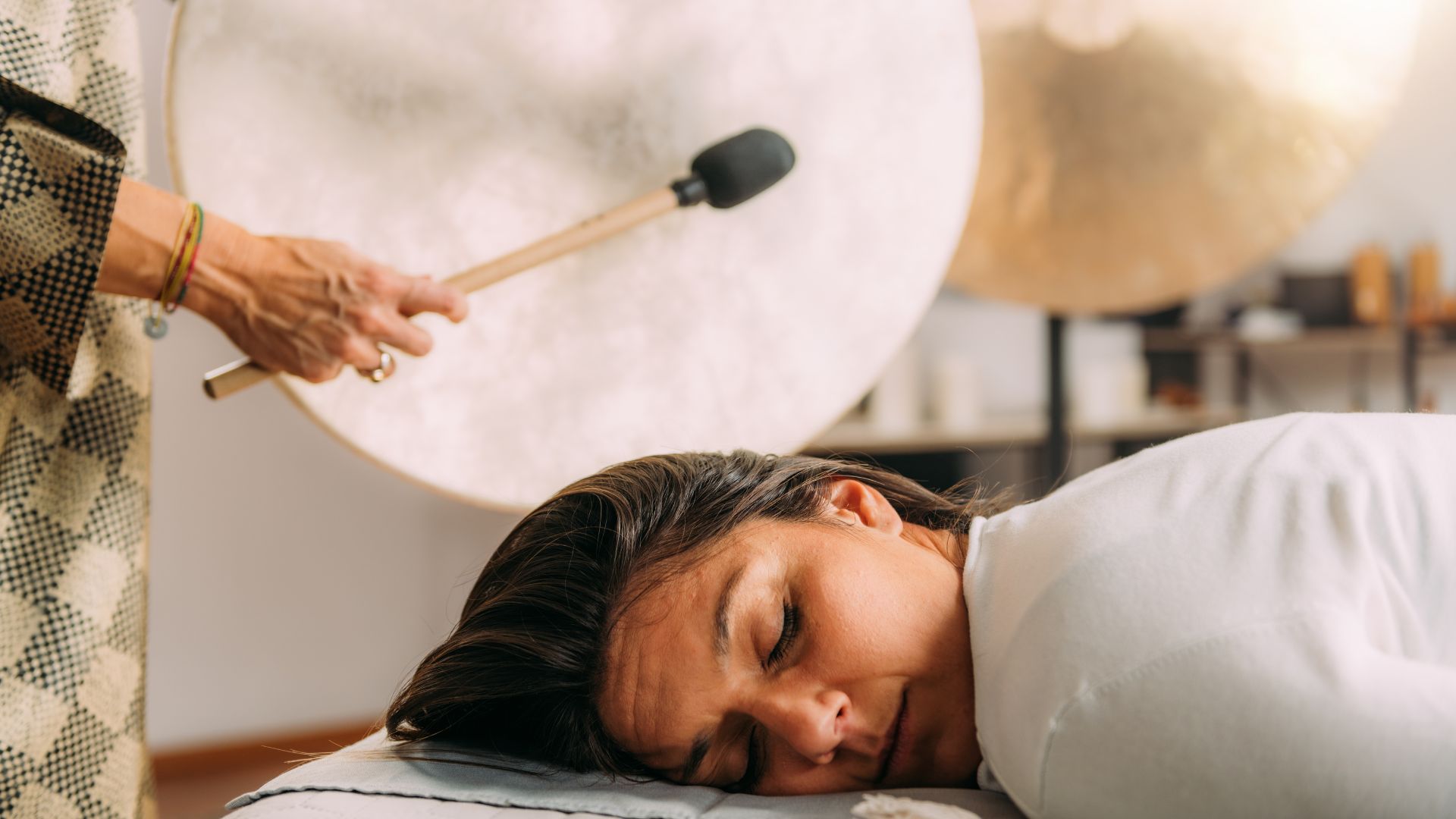

Modern work demands long hours at desks, in meetings, or on screens, often at the expense of spinal health. Back pain from sitting is among the most common workplace complaints, affecting focus, productivity, and overall quality of life. The good news? Small, consistent habits can make a meaningful difference.
At ZaaS, we believe that sustainable workplace wellness starts with practical, accessible support for the body and mind. Prioritizing spine health is one of the most impactful ways to help employees feel better, move better, and work better—every day.
Why Spine Health Matters at Work

The spine supports posture, movement, and nervous system function. Prolonged sitting, poor ergonomics, and chronic stress can strain the muscles and joints that protect it. Over time, this can lead to stiffness, pain, fatigue, and even decreased mental clarity.
Investing in workplace spine health not only helps prevent discomfort—it supports energy, resilience, and long-term employee wellbeing.
Simple Practices for a Healthier Spine
1. Sit With Awareness
Aim for a neutral seated posture: feet flat on the floor, hips slightly higher than knees, shoulders relaxed, and ears aligned over shoulders. Adjust chair height and screen level to reduce neck and lower-back strain.
2. Move Every 30–60 Minutes
The spine thrives on movement. Standing, stretching, or walking for even a few minutes helps relieve pressure on spinal discs and improves circulation. Gentle mobility breaks can reset posture and focus.
3. Strengthen Postural Muscles
Core and upper-back strength play a key role in spinal support. Simple exercises—such as seated twists, shoulder rolls, and gentle back extensions—can be done right at the desk.
4. Practice Desk-Friendly Stretching
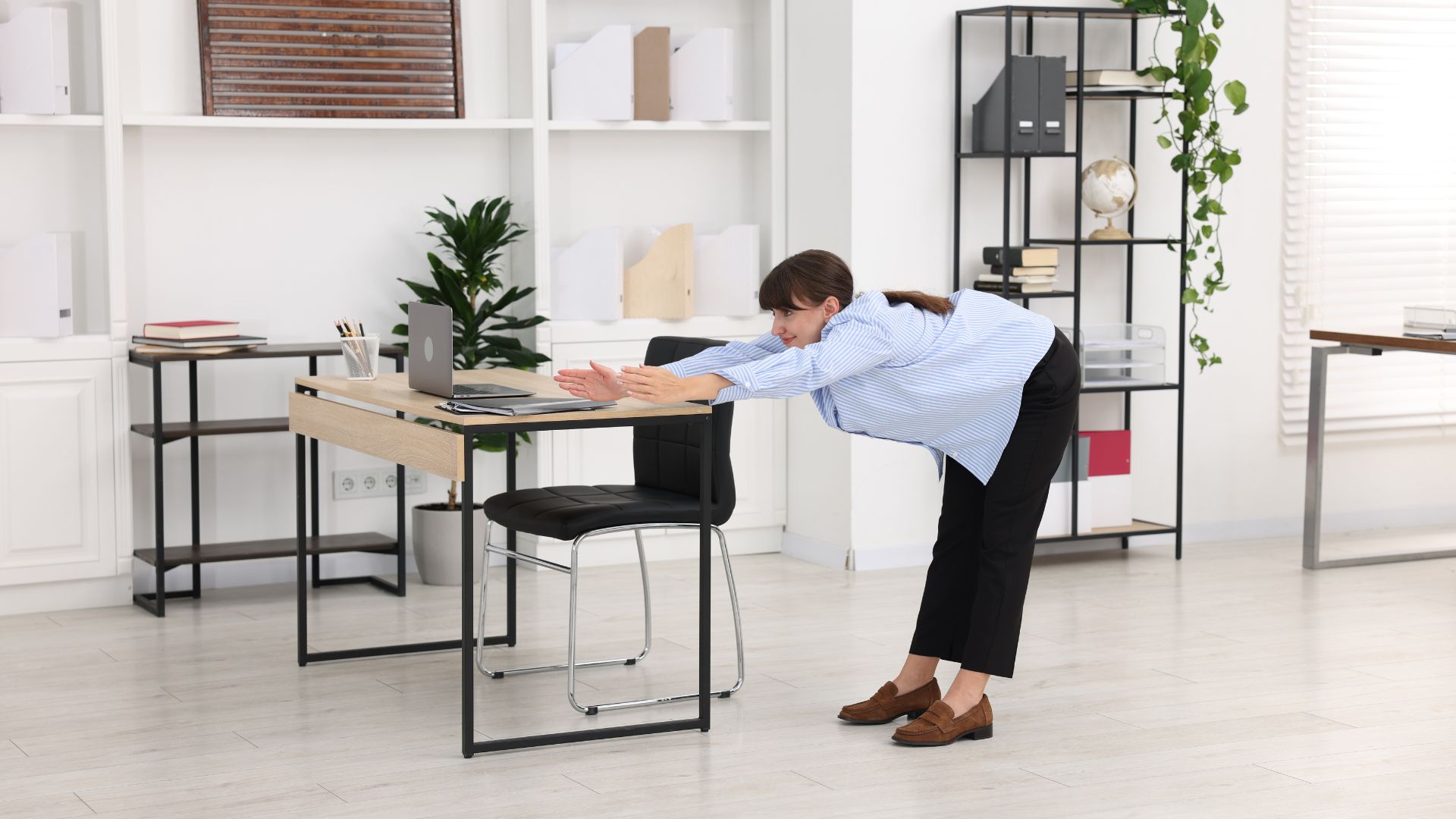
Target common tension areas like the neck, shoulders, and lower back. Slow, mindful stretches help release tight muscles while encouraging breath awareness and relaxation.
5. Manage Stress for Spine Support
Stress often shows up physically as muscle tension, especially in the neck and shoulders. Mindfulness, breathwork, and short meditation sessions can reduce stress-related strain on the spine.
How ZaaS Supports Workplace Spine Health
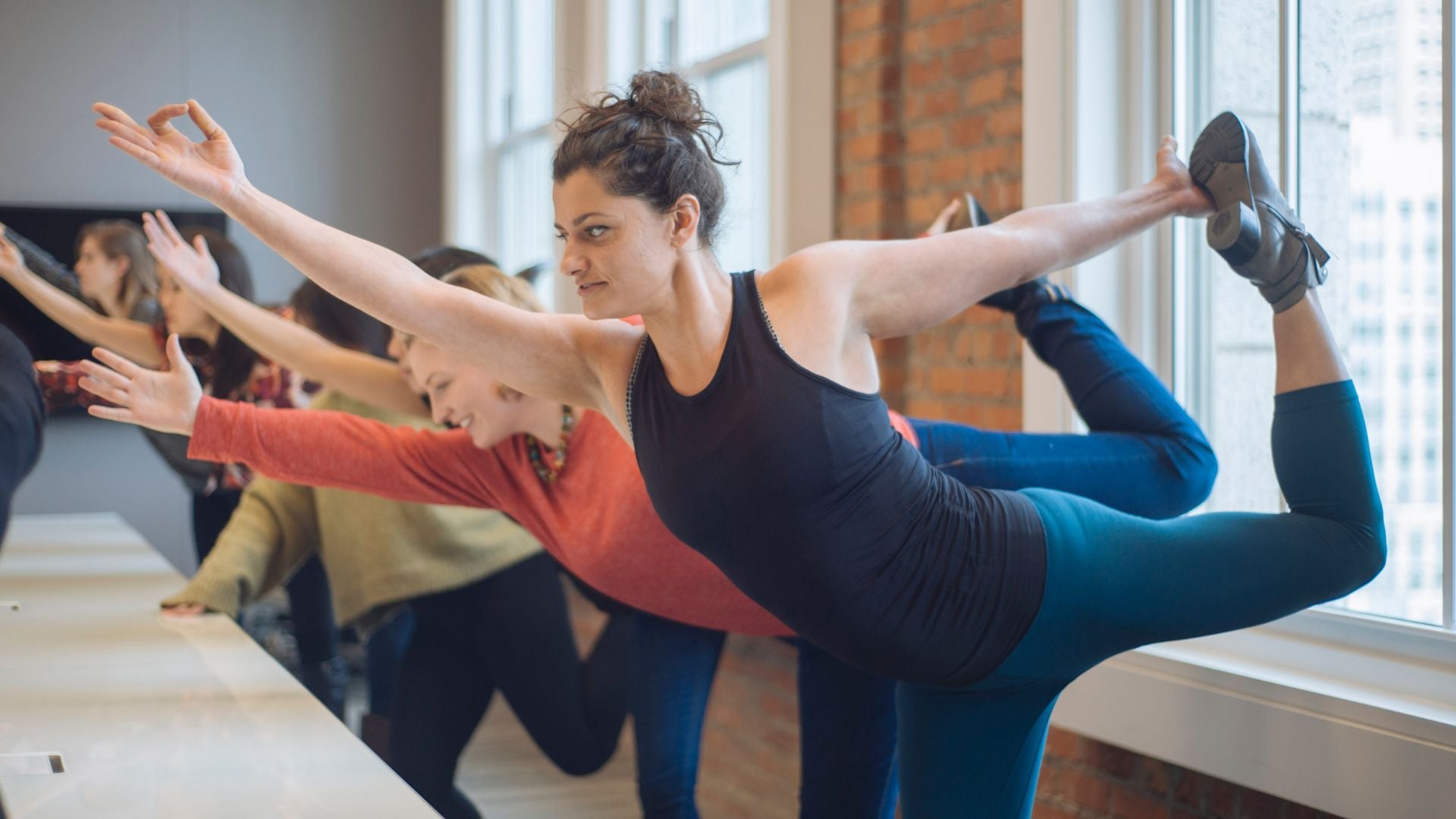
ZaaS offers expert-led programs designed to integrate movement, mindfulness, and recovery into the workday—without disrupting productivity. Our desk yoga, guided mobility sessions, meditation classes, and educational workshops empower employees to care for their bodies in real time.
By making spine-supportive practices accessible and inclusive, organizations can reduce discomfort, boost morale, and foster a culture of proactive wellbeing.
A Healthier Spine, A More Supported Team
Supporting spine health is not about perfection—it’s about creating consistent opportunities for movement, awareness, and care throughout the workday. When employees feel physically supported, they are better equipped to stay focused, engaged, and resilient.
Bring Spine-Supportive Wellness to Your Workplace
Help your team move and feel better at work. Discover how ZaaS can support workplace spine health through mindful movement, meditation, and holistic wellness programs.