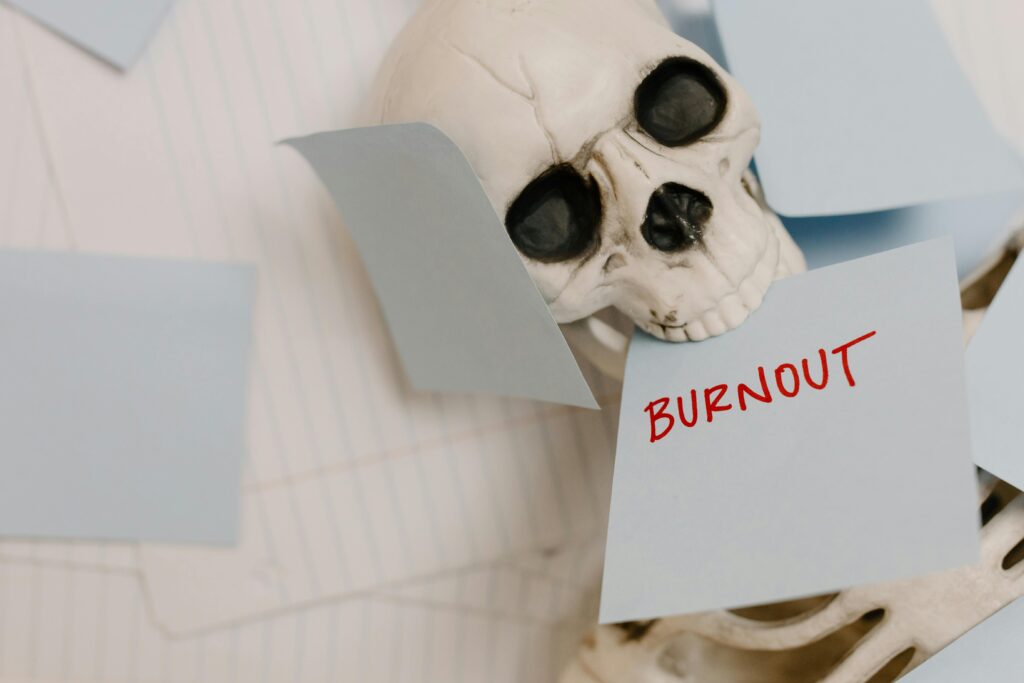
Deadlines. Meetings. Notifications. Competing priorities.
For many employees, stress at work is no longer the exception; it’s the baseline.
While a certain level of pressure can motivate performance, chronic workplace stress takes a significant toll on physical health, emotional well-being, and organizational outcomes. Over time, unchecked stress can lead to burnout, disengagement, and reduced productivity.
At ZaaS, we believe workplace wellness is not about eliminating pressure; it’s about equipping people with tools to respond skillfully, recover effectively, and rediscover moments of ease and play throughout the day.
Understanding Stress at Work: What’s Really Happening

Stress is the body’s natural response to perceived demand or threat. In short bursts, it sharpens focus. But when stress becomes constant, the nervous system remains stuck in “high alert” mode.
Common workplace stressors include:
- Heavy workloads and time pressure
- Lack of control or role clarity
- Always-on digital communication
- Limited opportunities for recovery or movement
- Emotional labor and interpersonal demands
Over time, this state of chronic activation can contribute to:
- Fatigue and brain fog
- Muscle tension and headaches
- Poor sleep quality
- Irritability and reduced engagement
The good news? Small, intentional practices, integrated into the workday, can make a meaningful difference.
From Pressure to Play: Reframing Calm as a Skill
Calm is not a personality trait. It is a physiological state that can be trained.
By incorporating brief, accessible wellness practices into the workday, employees can shift from reactive stress to responsive presence, without disrupting productivity.
Below are simple, evidence-informed strategies that support everyday calm at work.
Simple Strategies for Everyday Calm
1. Micro-Pauses That Reset the Nervous System
Even 60–90 seconds of intentional pause can reduce stress hormones.
2. Movement as Medicine
Prolonged sitting contributes to both physical tension and mental fatigue.
3. Single-Tasking for Mental Clarity
Multitasking increases cognitive load and stress.
4. Playful Presence, Not Perfection
“Play” doesn’t mean being unprofessional, it means creating moments of lightness and curiosity.
Why Workplace Calm Is a Business Advantage

Organizations that prioritize stress management and recovery see measurable benefits:
- Improved employee engagement
- Reduced absenteeism and burnout
- Stronger morale and retention
- Enhanced performance and collaboration
Wellness is not a perk, it is a performance strategy.
Stress may be part of work—but burnout doesn’t have to be. Partner with ZaaS to bring practical, engaging wellness experiences to your organization and help your team move from pressure to play one moment of calm at a time.