
In the fast-paced hubs of innovation, ZaaS (Zen-as-a-Service) is redefining how high-growth firms approach employee health through integrated corporate wellness platforms. From implementing specialized corporate wellness programs for biotech companies in San Francisco to addressing the unique burnout risks with tailored wellness for AI companies, ZaaS provides scalable, data-driven solutions that go beyond basic perks. Whether delivering high-impact on-site corporate wellness workshops or managing comprehensive corporate wellness programs for tech companies in Austin, these services ensure that mental and physical well-being are woven into company culture. By leveraging a centralized platform, ZaaS allows leadership to foster a resilient workforce that can keep up with the demanding cycles of the modern tech landscape. Book a demo today and see how ZaaS can support your company culture.
Small, repeated movements, typing, clicking, and scrolling can add up over time. For many employees, these daily actions lead to discomfort, stiffness, and eventually more serious concerns known as repetitive stress injuries (RSIs). Left unaddressed, RSIs can impact not only physical health but also productivity, morale, and overall workplace well-being. That’s why repetitive stress injury management for employees is essential to creating a healthier, more sustainable work environment.
What Are Repetitive Stress Injuries?

Repetitive stress injuries develop when muscles, tendons, and nerves are overused without adequate rest or variation. Common examples include:
- Wrist and forearm pain from typing or mouse use
- Shoulder and neck tension from poor posture
- Lower back discomfort from prolonged sitting
These issues often start small but can become chronic if not properly managed.
Why RSI Management Matters at Work
Workplace habits and environments play a major role in the development of RSIs. Without proactive support, employees may experience ongoing discomfort that affects their ability to focus and perform.
Implementing repetitive stress injury management for employees helps:
- Reduce physical strain and prevent long-term injury
- Improve posture and movement patterns
- Enhance comfort and daily performance
- Lower absenteeism and burnout
Supporting employees early can prevent minor discomfort from becoming major disruption.
Simple Strategies That Make a Difference

Effective RSI management doesn’t require drastic changes. It starts with consistent, intentional habits:
- Ergonomic adjustments: Proper desk setup, screen height, and chair support
- Movement breaks: Encouraging employees to stand, stretch, and reset throughout the day
- Stretching and mobility exercises: Targeting commonly affected areas like wrists, shoulders, and back
- Mindful posture awareness: Building habits that reduce strain over time
These small shifts can significantly improve how employees feel during and after the workday.
The Role of Guided Wellness Programs

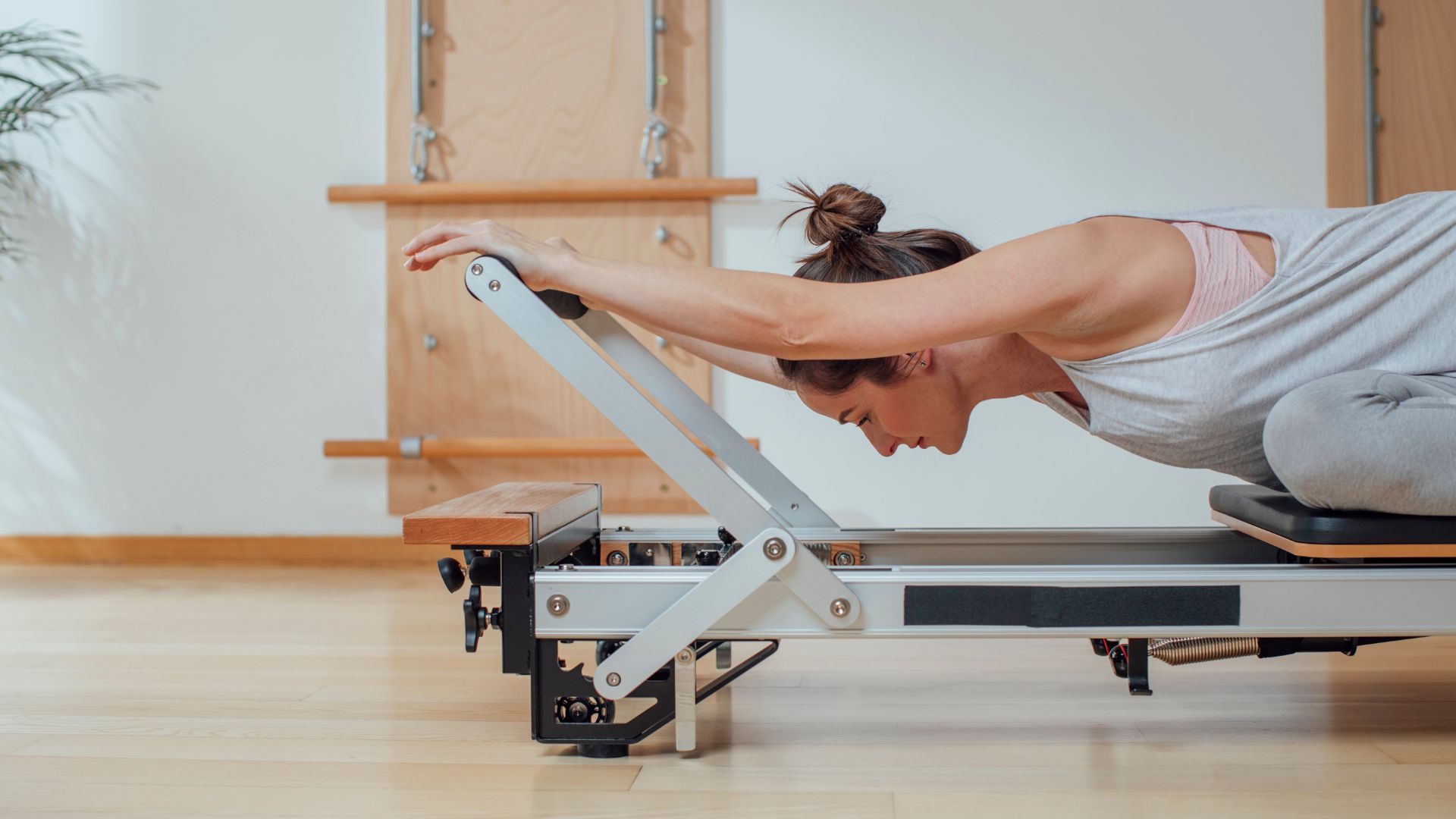
While individual habits are important, structured support makes a lasting impact. ZaaS offers guided sessions designed to address workplace strain through movement, education, and awareness.
A repetitive stress injury management program for employees may include:
- Desk yoga and stretching sessions
- Posture and ergonomics education
- Targeted mobility exercises
- Mindfulness techniques to reduce physical tension
These experiences are designed to be accessible, engaging, and easy to integrate into any work environment.
From Prevention to Performance
When employees feel physically supported, they can perform at their best. Reducing strain doesn’t just prevent injury; it improves energy, focus, and overall job satisfaction. By prioritizing the management of repetitive stress injuries among employees, organizations invest in long-term well-being and create a workplace where people can thrive.
Building a Culture of Sustainable Wellness
Workplace wellness isn’t just about short-term solutions; it’s about creating systems that support employees every day. When movement, posture awareness, and recovery are part of the culture, teams become more resilient and engaged. ZaaS helps organizations take a proactive approach, turning everyday work habits into opportunities for better health.
Help your employees ease strain and feel their best with a customized repetitive stress injury management for employees program. ZaaS delivers practical, effective wellness solutions designed for today’s workplace. Contact ZaaS today to learn more and bring sustainable wellness to your team.