
ZaaS is revolutionizing the modern office environment by offering the most comprehensive employee wellness programs. As one of the leading wellness platforms for the workplace, we specialize in bringing balance to the daily grind through expert-led corporate wellness workshops for all employees. From quick, effective corporate yoga classes designed to alleviate workday tension to immersive corporate cooking classes, ZaaS provides flexible solutions for every team. For those seeking local expertise, our workplace meditation classes are tailored to the vibrant energy of the tech hub, helping your employees stay centered, flexible, and focused. Book a demo today and learn how we can support you.
Company culture isn’t what you say, it’s what people experience every day. It’s reflected in how decisions are made, how leaders show up, how conflict is handled, and how success is defined. Improving culture doesn’t require grand gestures or trendy perks. It requires intentional, consistent actions that align behavior with values.
Here’s how to actually improve company culture in a way that sticks.
1. Start With An Honest Self-Assessment
Before you can improve culture, you need to understand your current reality (not the aspirational version). Ask:
- How do employees describe working here when leadership isn’t in the room?
- Where are the friction points (communication, workload, trust, recognition)?
- What behaviors get rewarded vs. what’s written in company values?
Use a mix of anonymous surveys, small-group listening sessions, and exit interviews. The goal isn’t to defend your culture, it’s to see it clearly.
2. Define Culture Through Behavior, Not Words
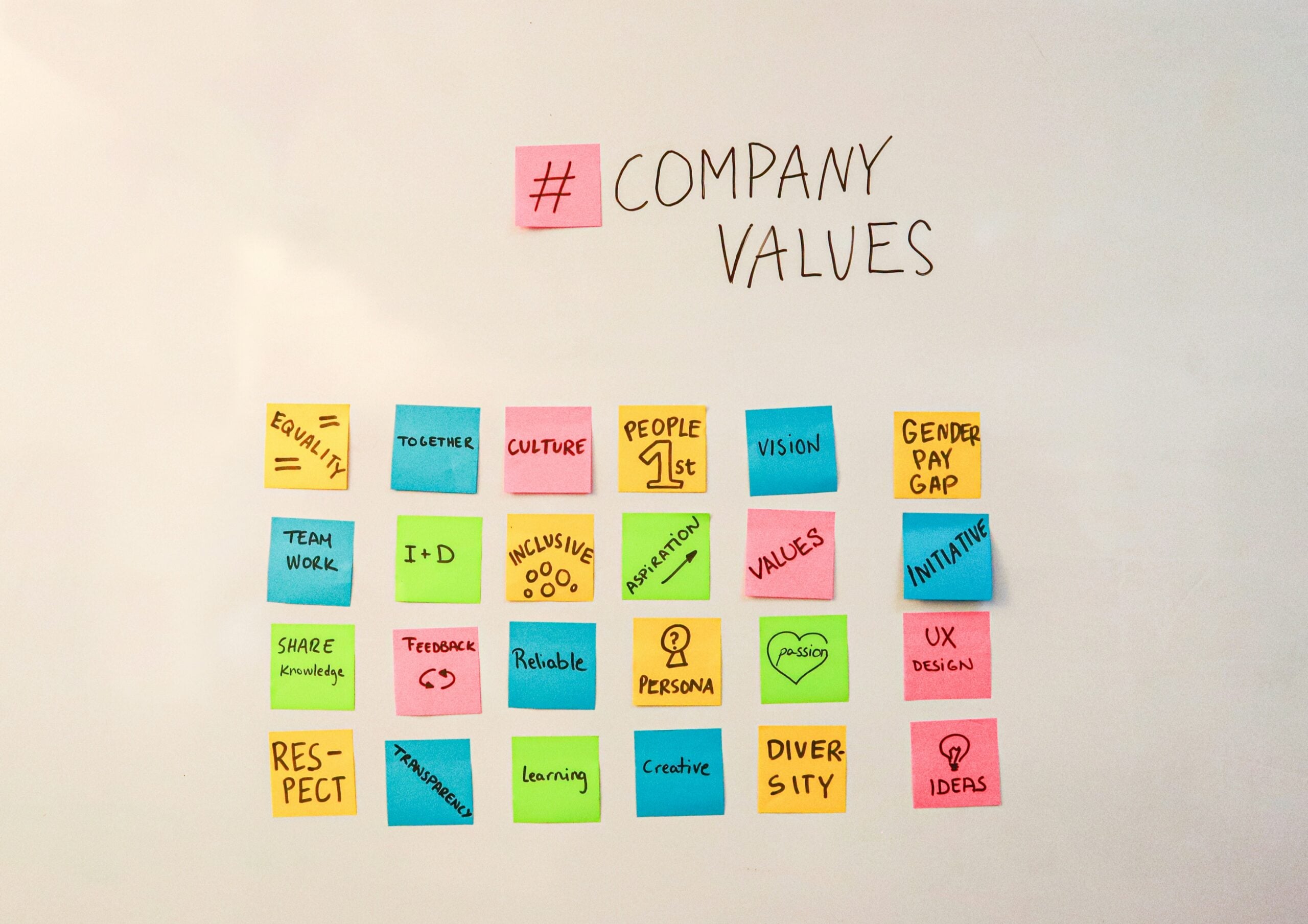
Most companies have values like “integrity,” “collaboration,” or “innovation.” The problem? These words are vague and open to interpretation.
Translate values into observable behaviors. Instead of “collaboration,” say “We involve stakeholders early, not after decisions are made.” Instead of “ownership,” try “We follow through without needing reminders.”
When culture is defined behaviorally, it becomes actionable and measurable.
3. Align Leadership First

Culture change doesn’t start with employees; it starts with leadership. If leaders avoid hard conversations, prioritize speed over clarity, or reward output over well-being
… then no initiative will fix culture.
Leaders must model transparency, accountability, emotional intelligence, and consistency. Employees don’t follow values; they follow behavior.
4. Build Systems That Reinforce Culture
Culture is shaped by systems more than speeches. If your systems contradict your values, your culture will follow the systems. Audit and adjust:
- Performance reviews: Are you rewarding how work gets done, not just results?
- Meetings: Do they encourage participation or hierarchy?
- Communication channels: Are they clear or chaotic?
- Workload expectations: Do they promote sustainability or burnout?
Strong culture is operationalized, not just communicated.
5. Prioritize Psychological Safety
A healthy culture requires people to feel safe speaking up, asking questions, and admitting mistakes. Create psychological safety by normalizing feedback (top-down and bottom-up). Respond to mistakes with curiosity instead of blame. encouraging dissenting opinions in decision-making
If people stay silent, your culture is already broken; you just can’t see it yet.
6. Make Recognition Meaningful and Frequent
Recognition is one of the fastest ways to reinforce culture, but only if it’s specific and authentic.
Instead of saying, “Great job,” try “The way you handled that client issue showed real ownership and empathy, that’s exactly what we value.” This ties behavior directly to culture and helps it scale across teams.
7. Invest in Managers (They Are the Culture)
Employees don’t experience “the company,” they experience their manager. If managers aren’t equipped, culture will fragment.
Support managers with coaching and leadership development, clear expectations on team culture, and tools for feedback, communication, and conflict resolution. Great managers create great cultures. Weak managers erode them quickly.
8. Create Rituals That Reinforce Connection

Culture isn’t just policies; it’s shared experiences.
Introduce intentional rituals, such as weekly team check-ins, that go beyond task updates. Monthly reflection sessions where people can share what’s working and what’s not. Include recognition moments in company meetings. Celebrate milestones when appropriate. These rituals build consistency and strengthen team identity.
9. Address Misalignment Quickly
Nothing damages culture faster than tolerated misalignment. If someone consistently creates friction by undermining values and disrespecting others, and nothing happens, your culture loses credibility.
Improving culture requires clear expectations, direct conversations, and a willingness to make tough decisions. Culture is defined just as much by what you allow as what you promote.
10. Treat Culture as a Living System
Culture isn’t a one-time initiative; it evolves as your company grows. To sustain improvement, revisit values regularly, track cultural metrics (engagement, retention, burnout), and adapt based on feedback and business changes
The best cultures are not static; they are responsive and intentional.
Final Thought

Improving company culture isn’t about adding perks or writing better value statements. It’s about aligning behavior, systems, and leadership with the experience you want employees to have every day.
When culture is done right, people feel trusted and valued. Communication becomes clearer, and performance improves naturally. Ultimately, culture isn’t a “soft” concept; it’s the operating system of your company.
Figuring out how to improve company culture? ZaaS offers corporate employee wellness programs and strategies. Book a demo today to learn more.